the difference between a venue and a city. also, quietly, the difference between an event economy and an industry.
 ta' qalimalta
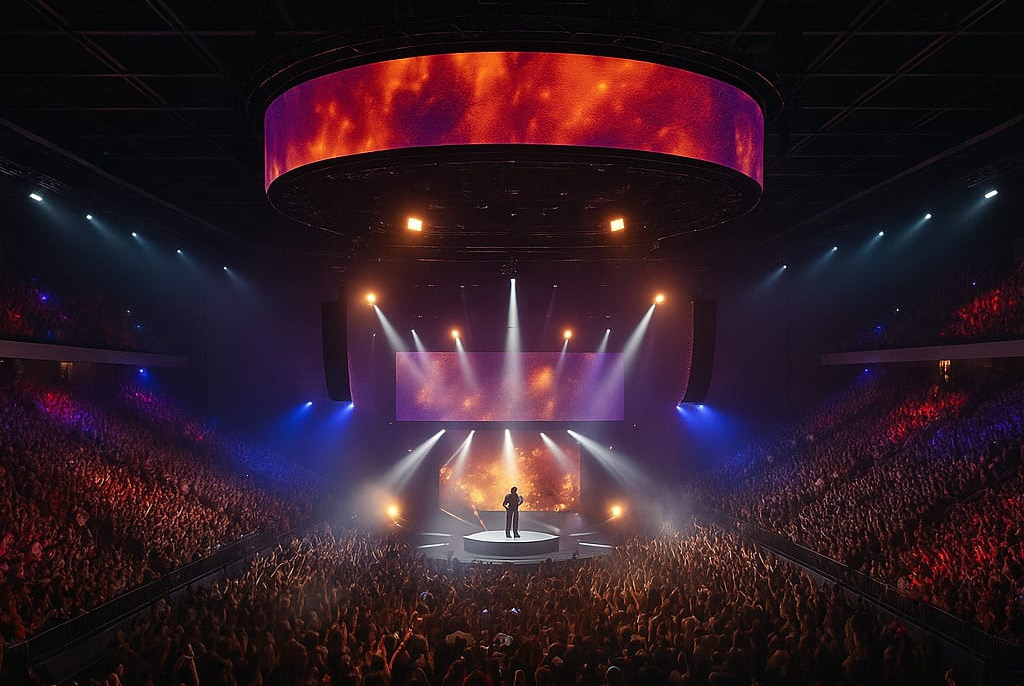
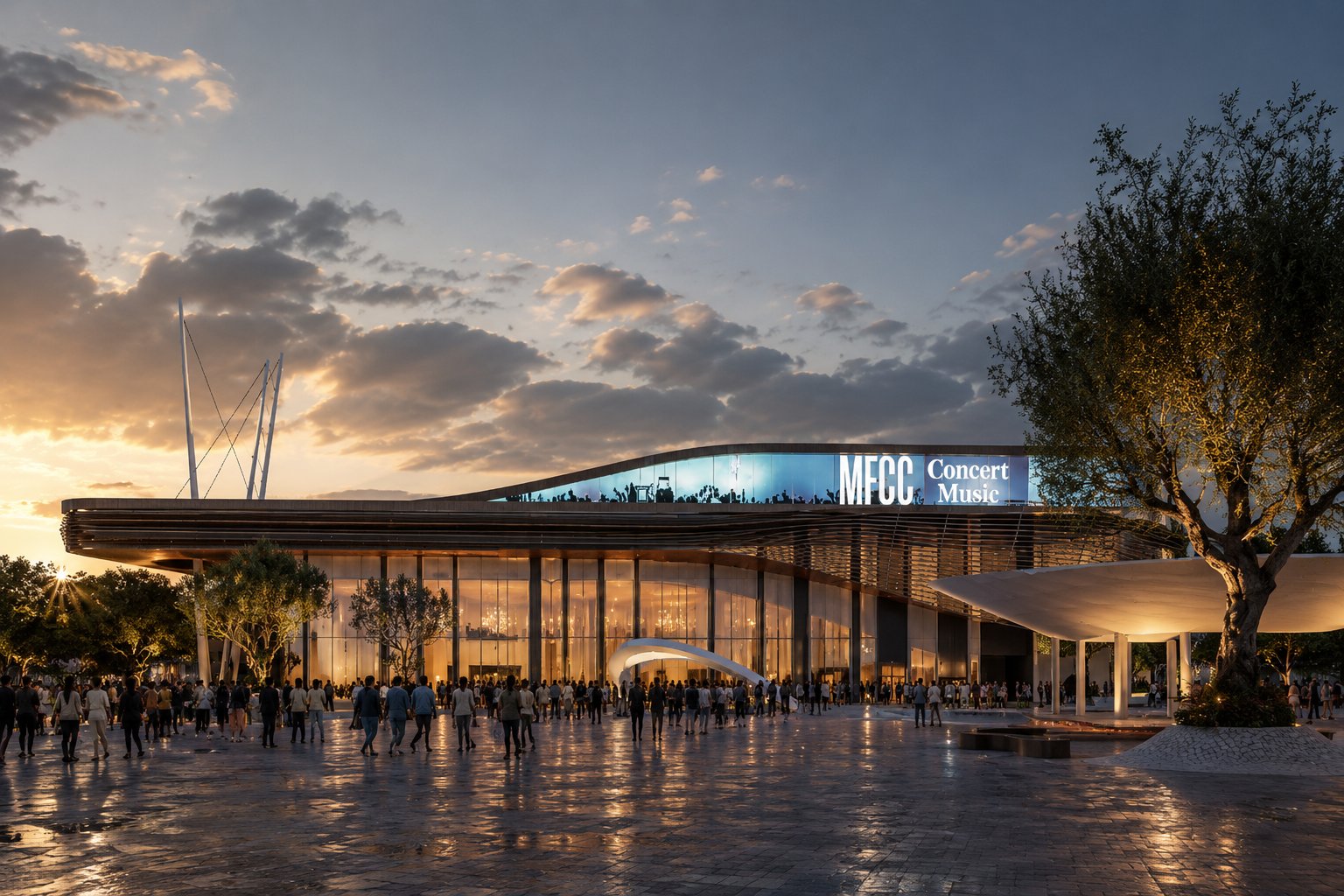
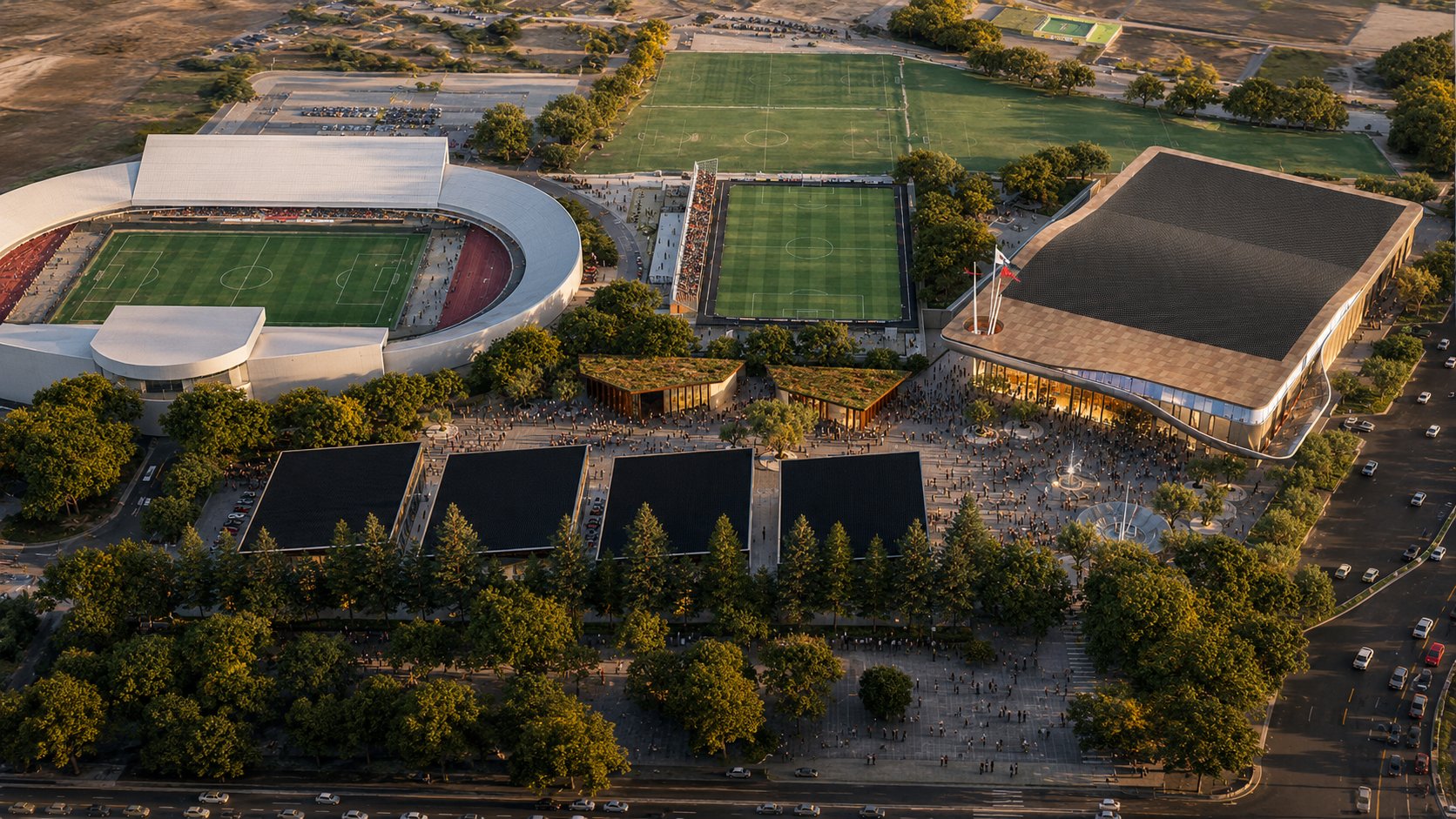
Welcome to Malta's first and only Entertainment City. From stage to screen. From idea to audience. A 71,000sqm destination where live entertainment, film, television, music, digital production, hospitality, logistics, and public life come together in one connected ecosystem.
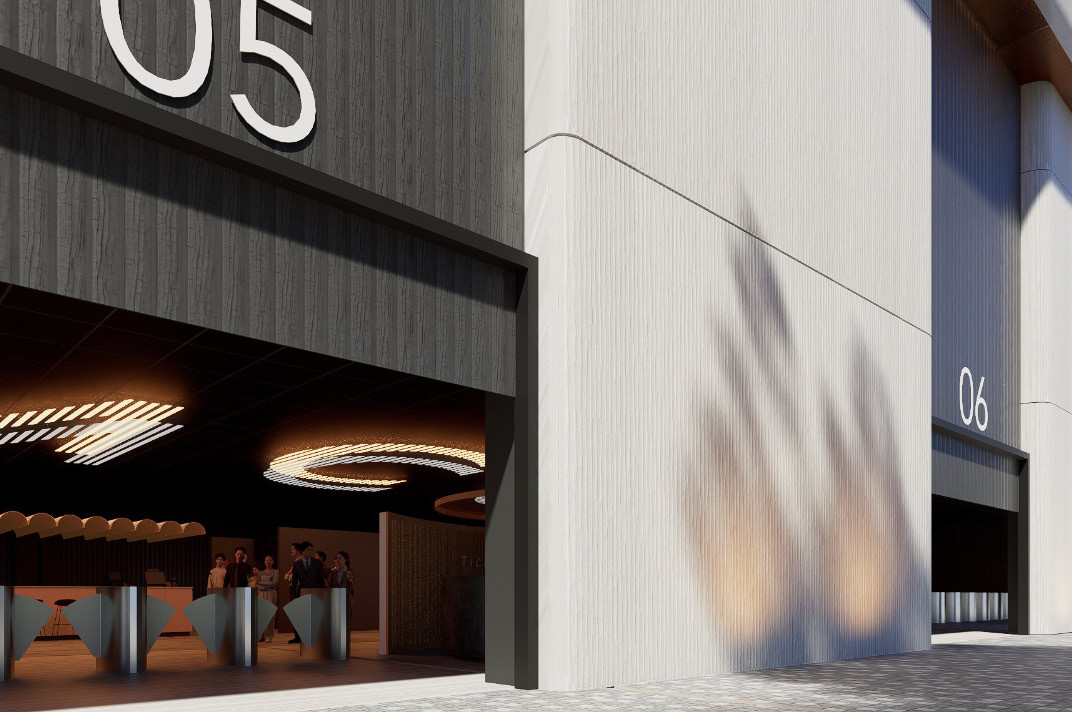
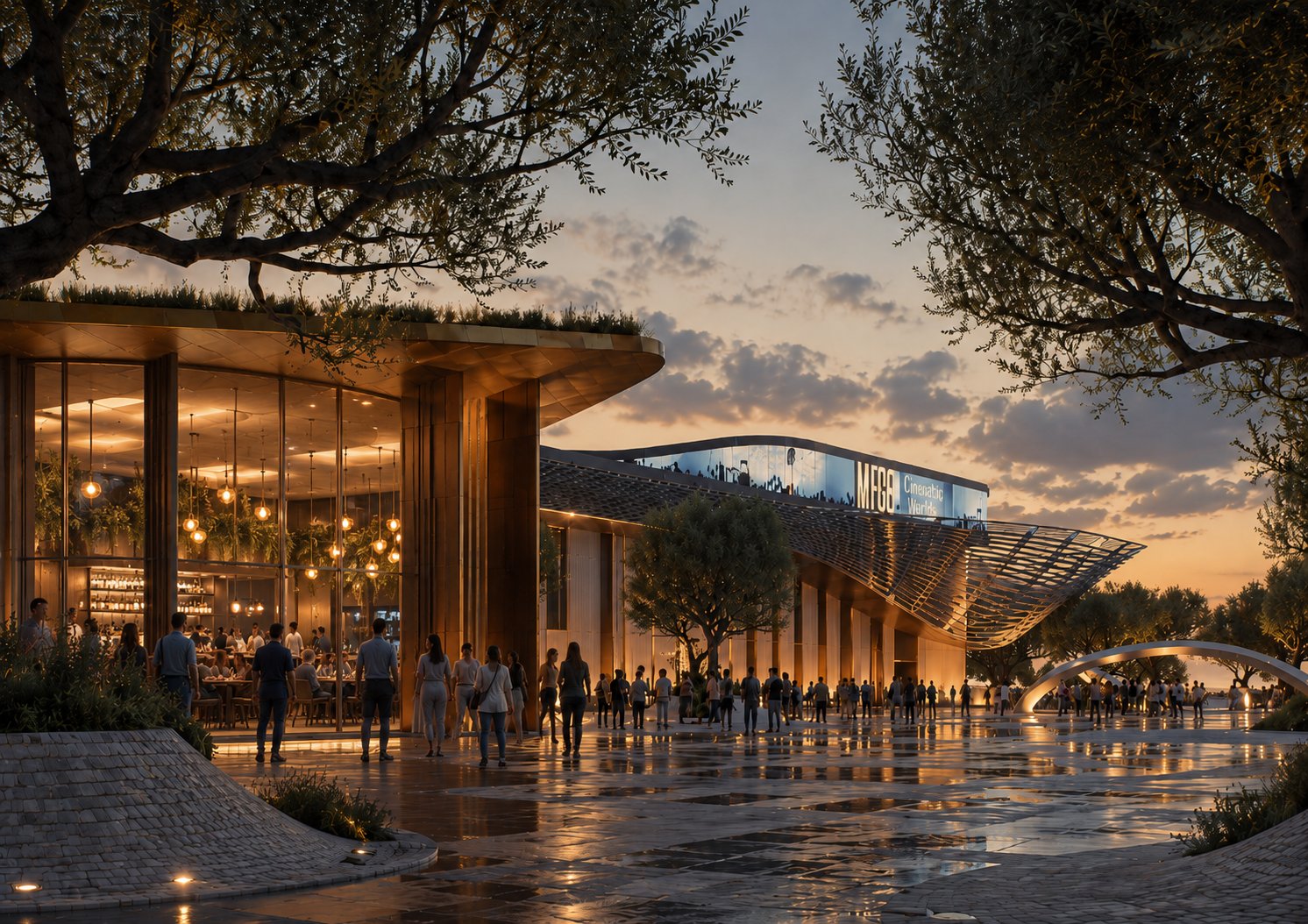
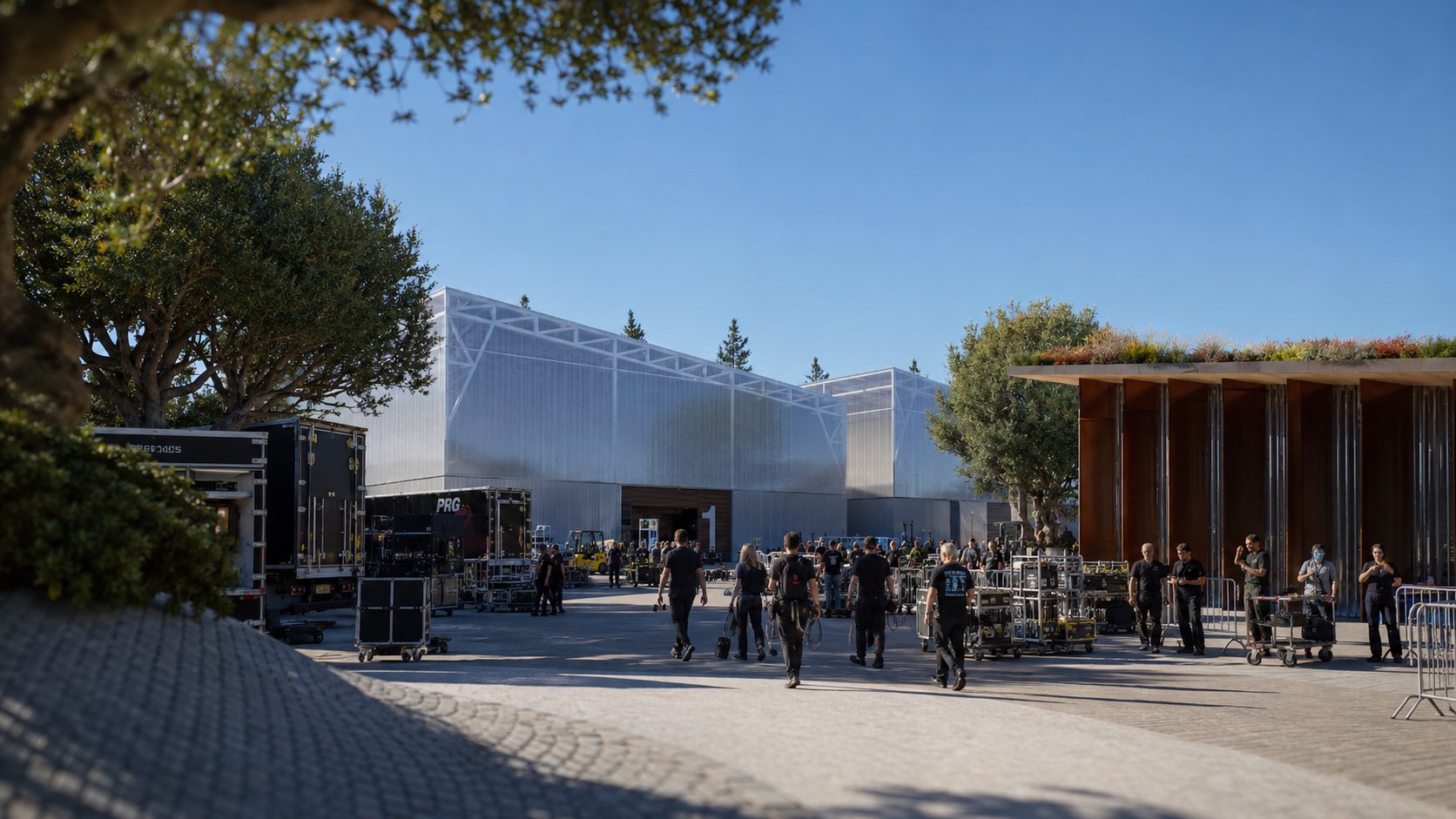
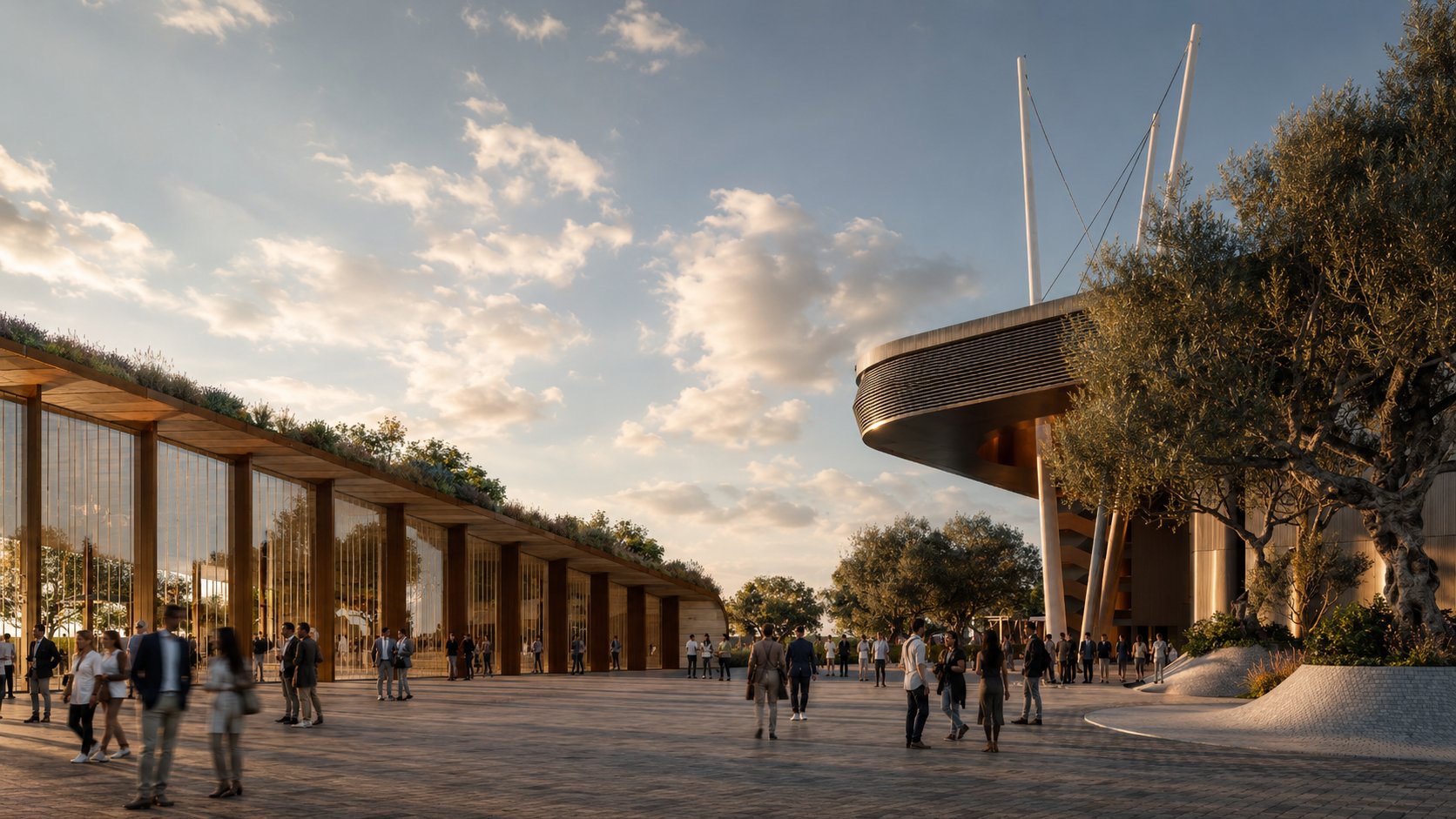
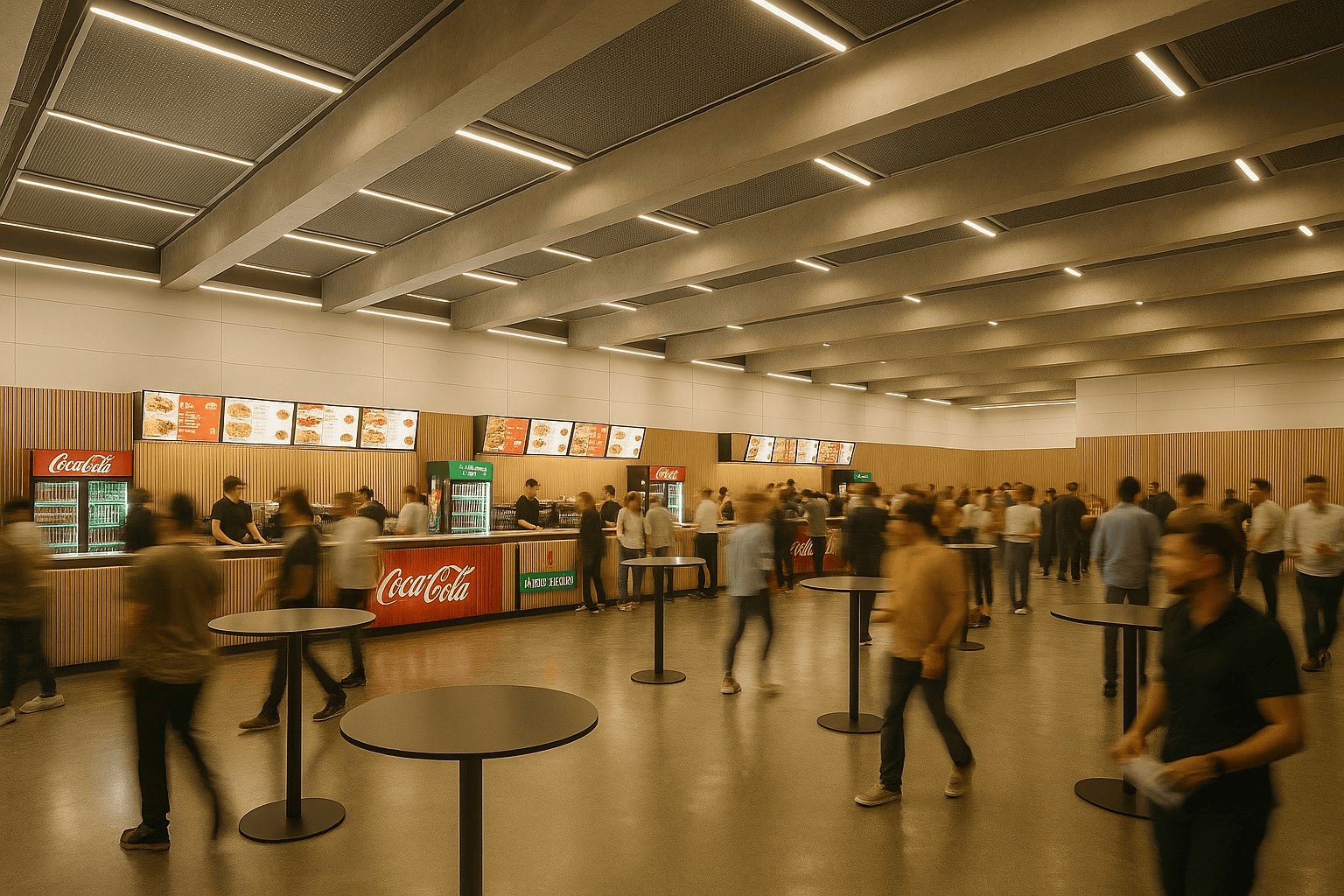
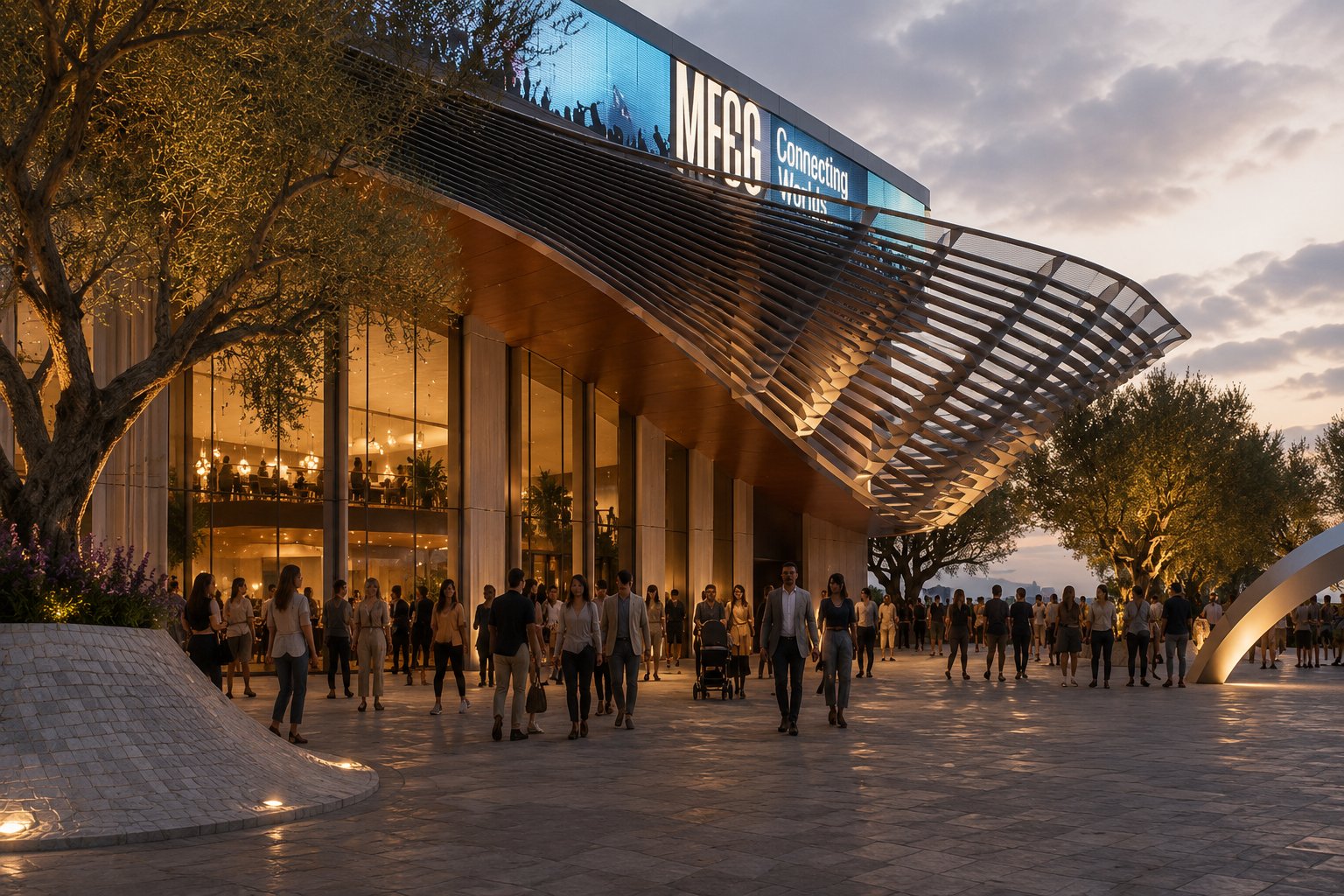
At the centre sits a state-of-the-art multipurpose arena. Around it, an entire Entertainment City takes shape — sound stages, recording studios, post-production suites, rehearsal rooms, production offices, fabrication workshops, hospitality, and public realm.
Same ground. Different evenings. The international concert. The championship fight. The fashion week. The home expo. The panto. The corporate gala. Each event hosted on the same site that, elsewhere, would require five different buildings.
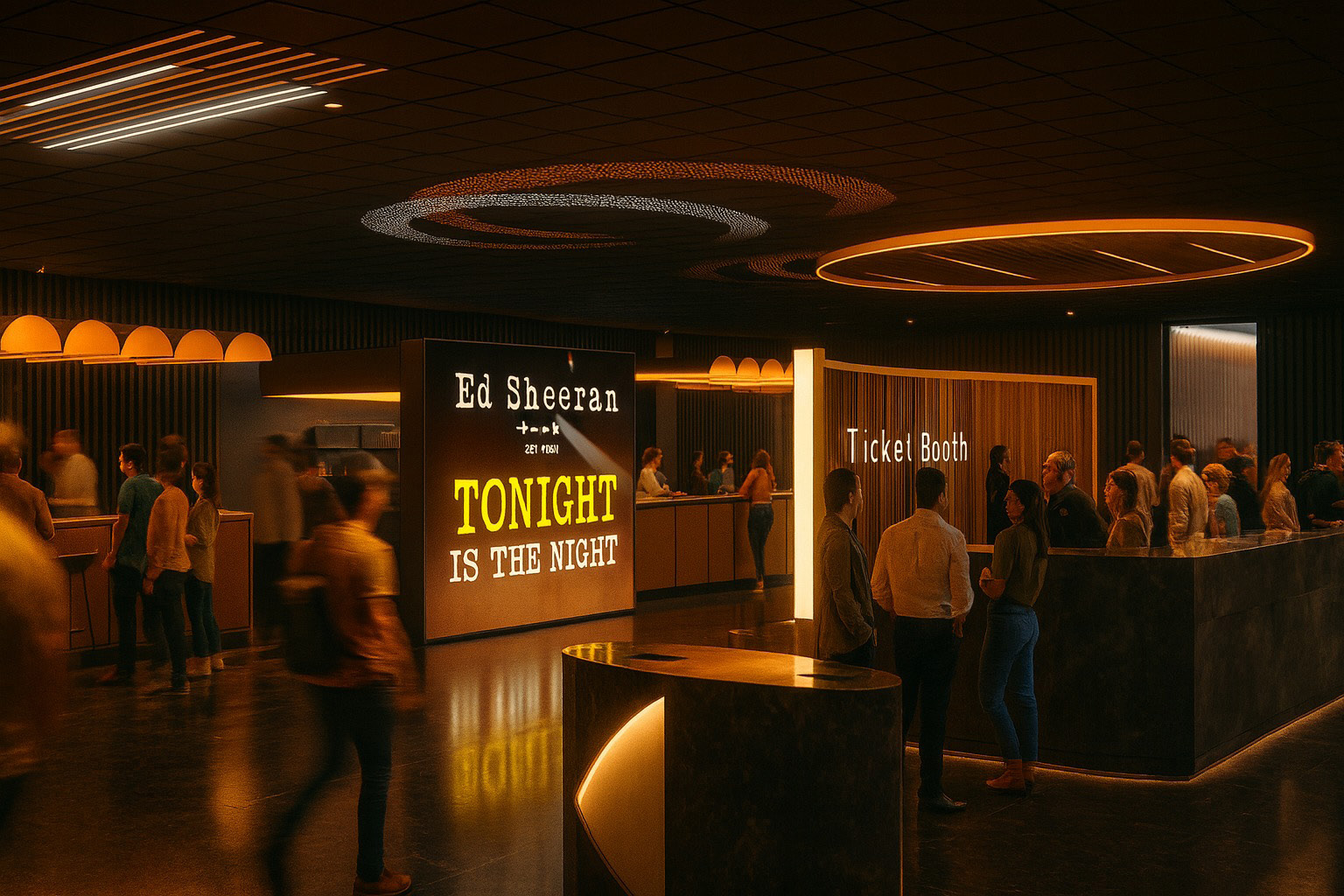
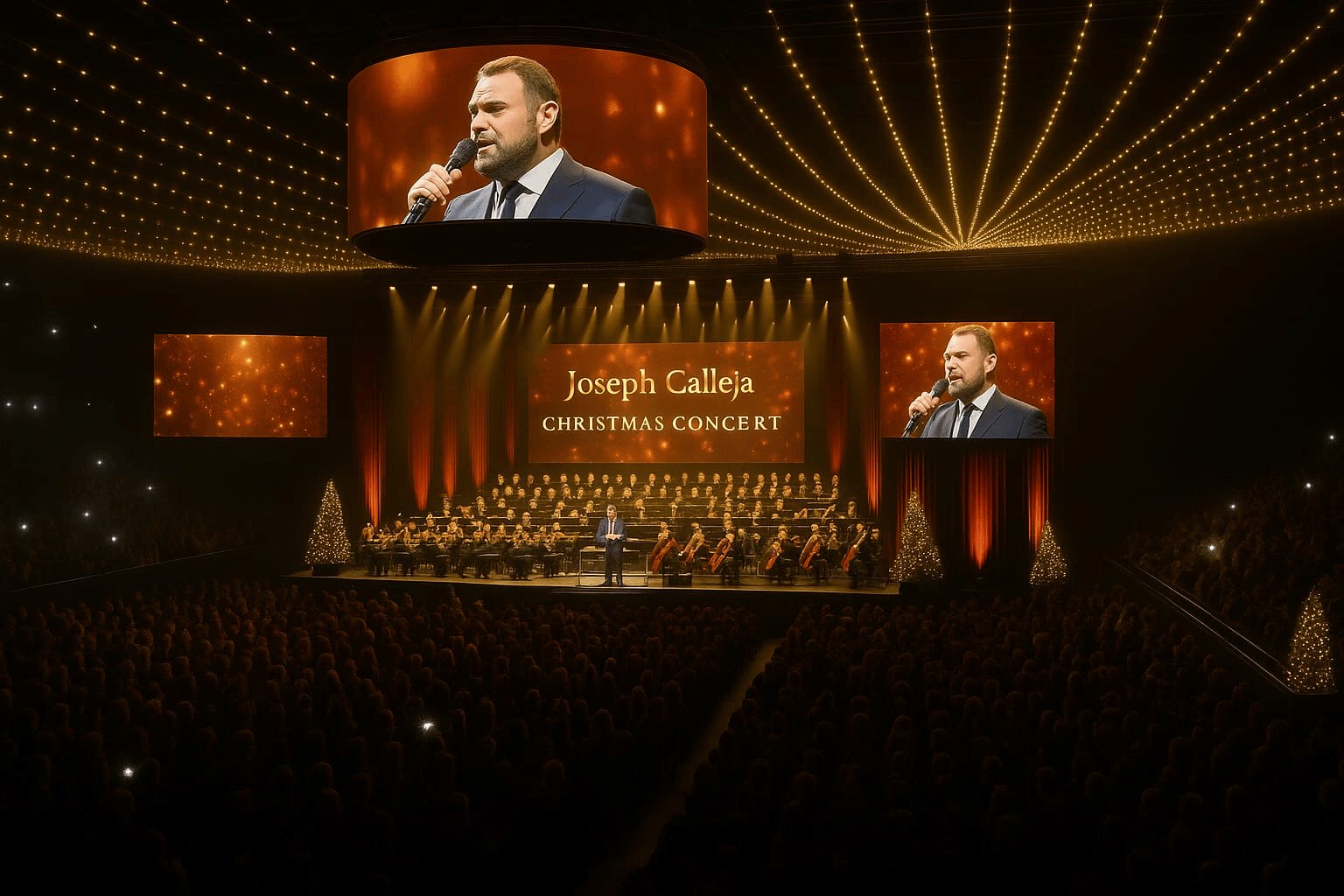
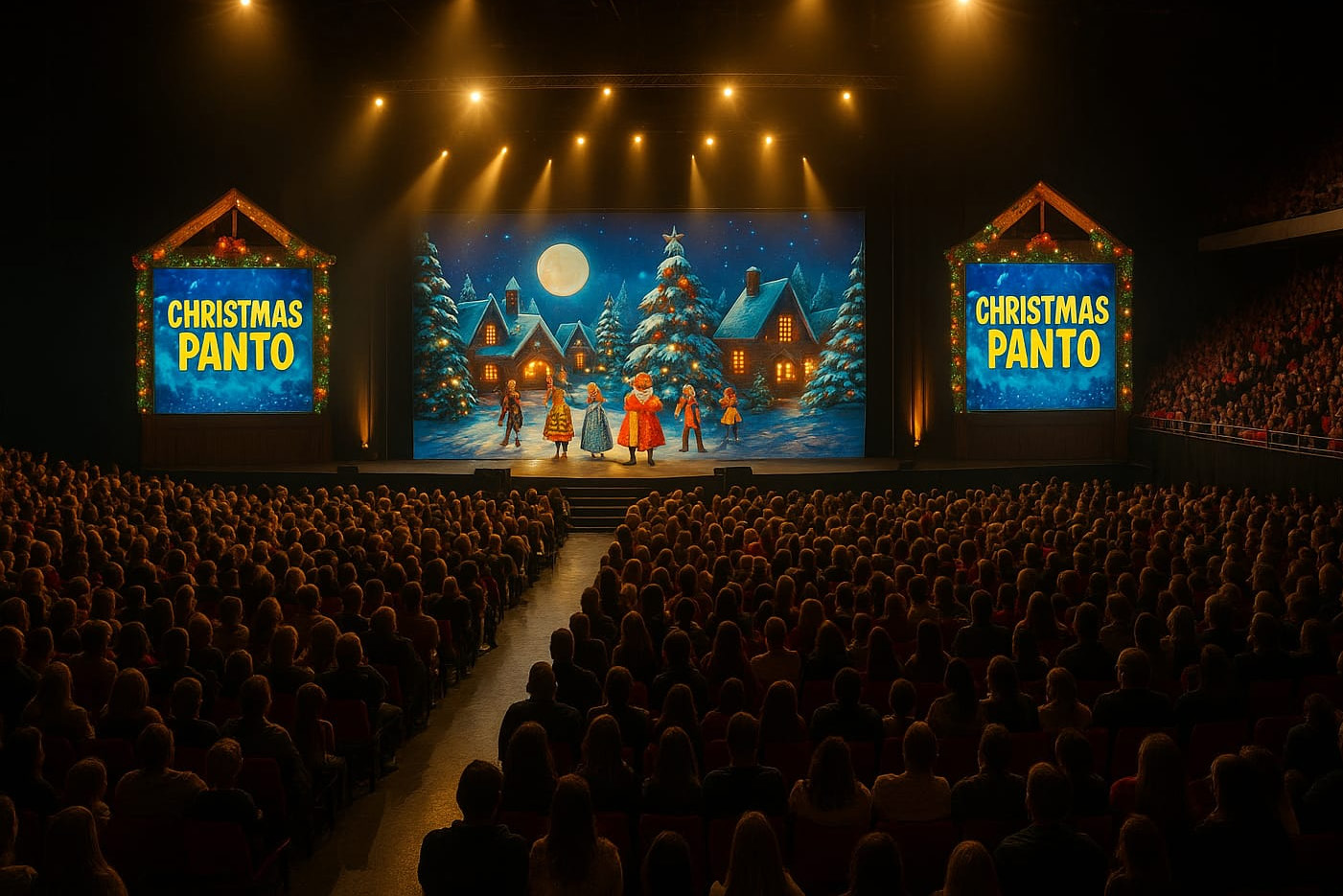
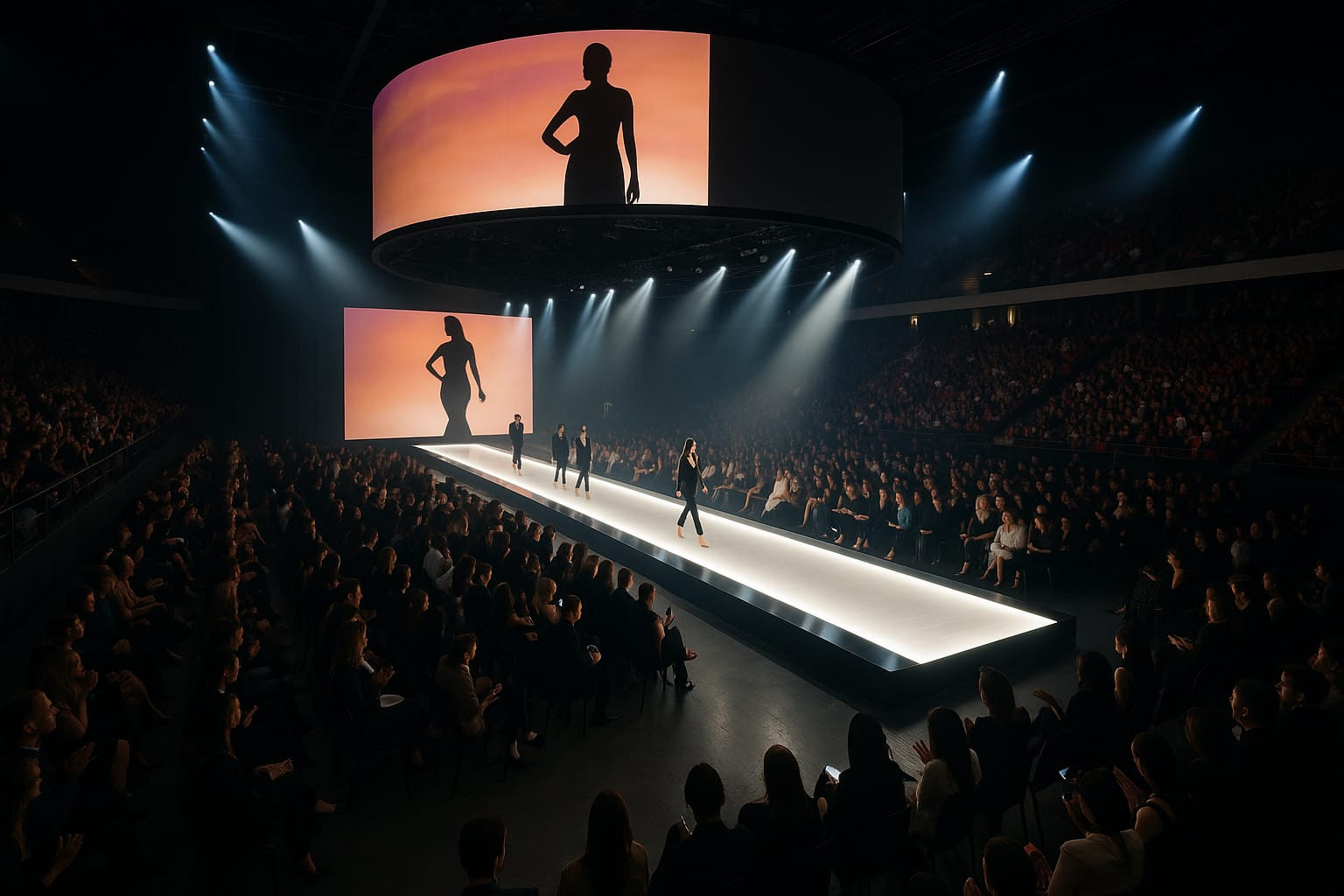
in another country, this list would be five buildings.
in malta, it is one ground.
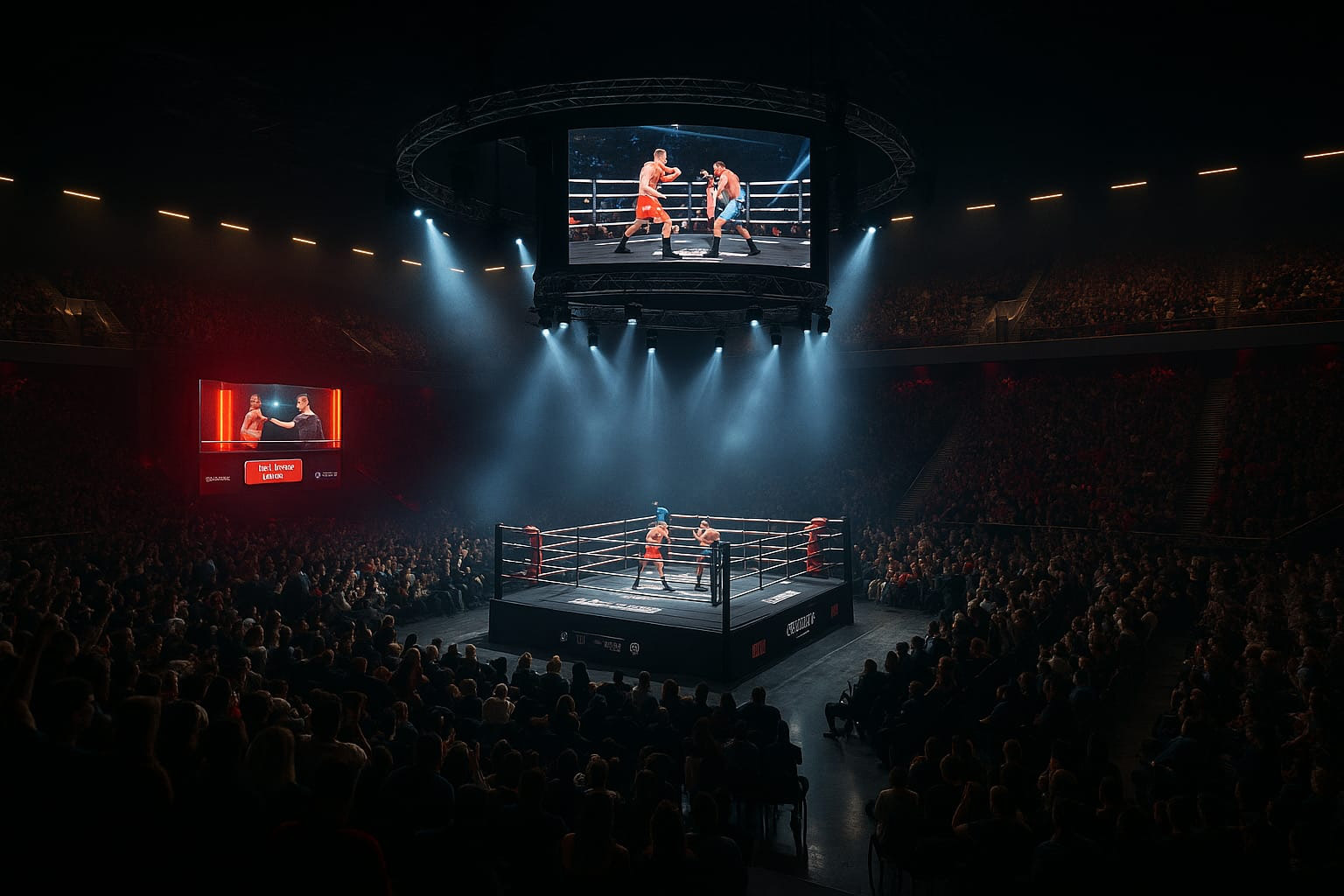
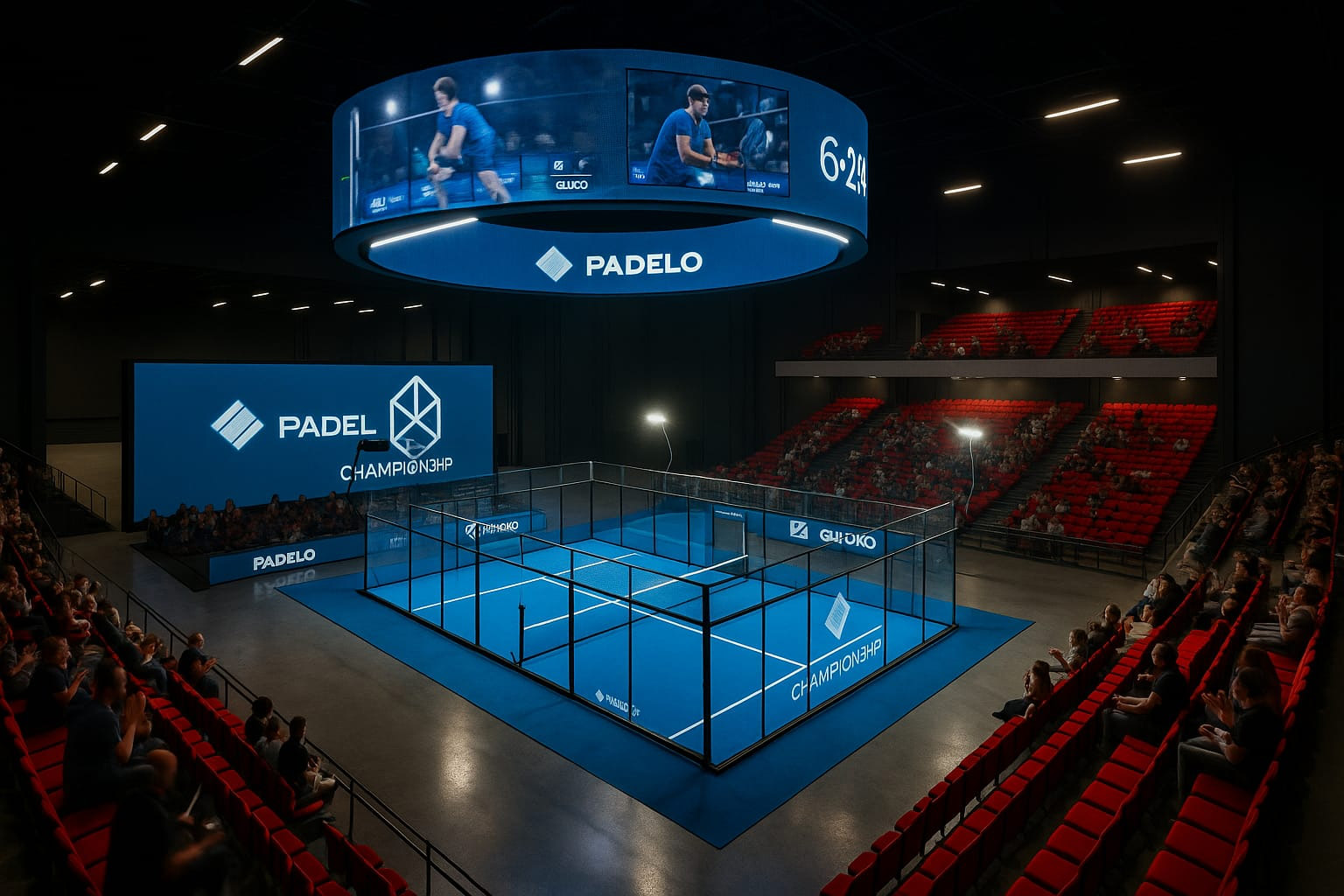
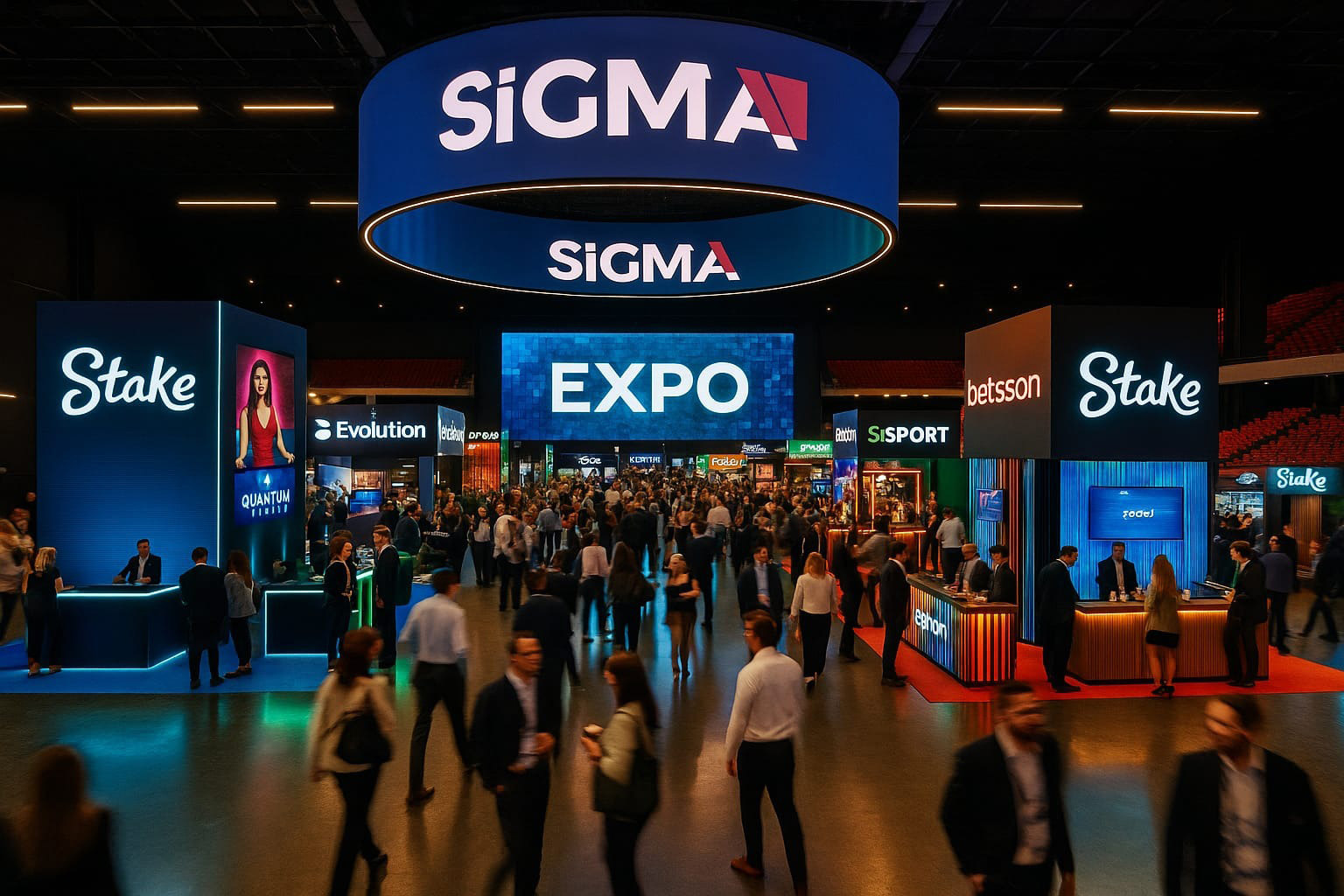
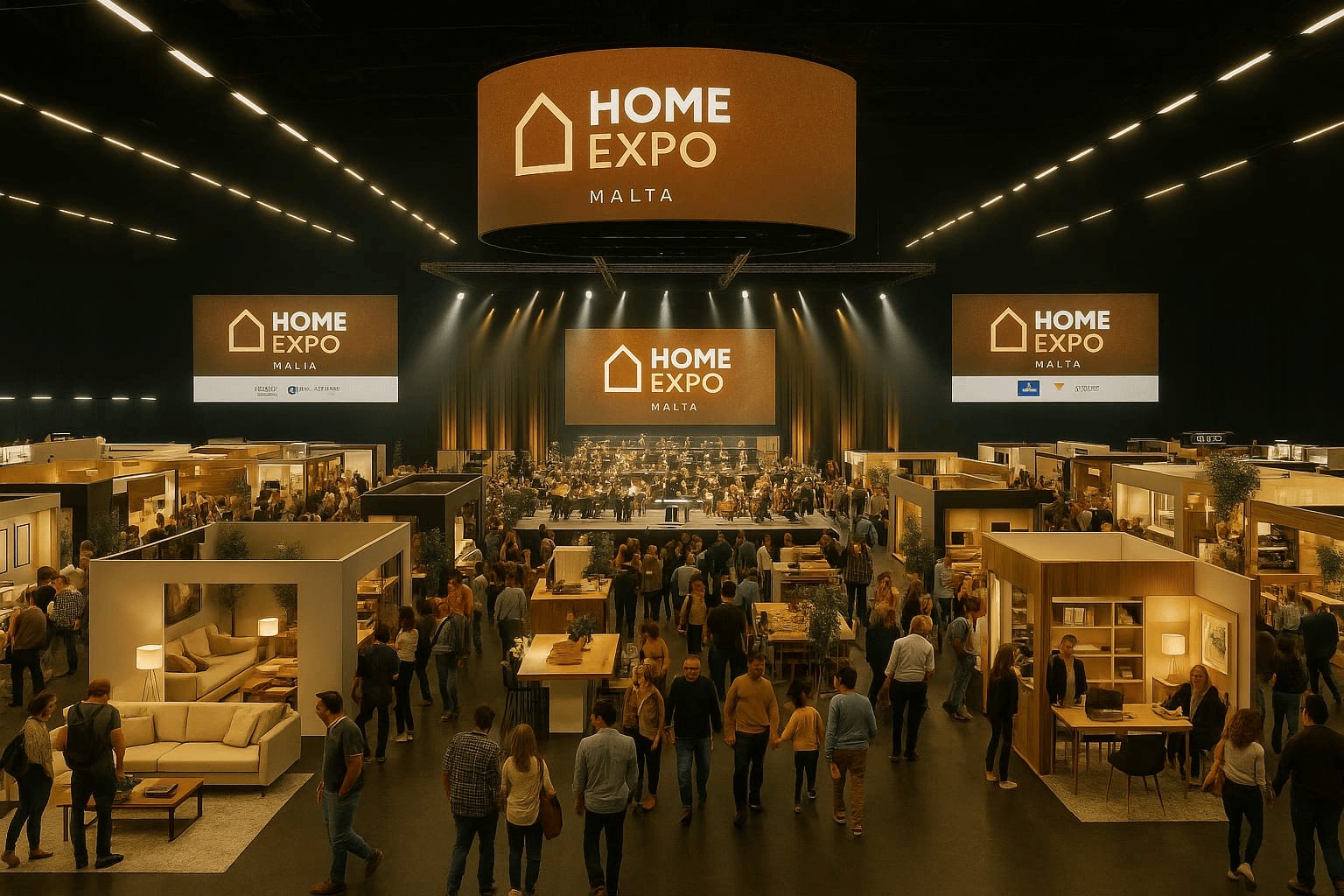
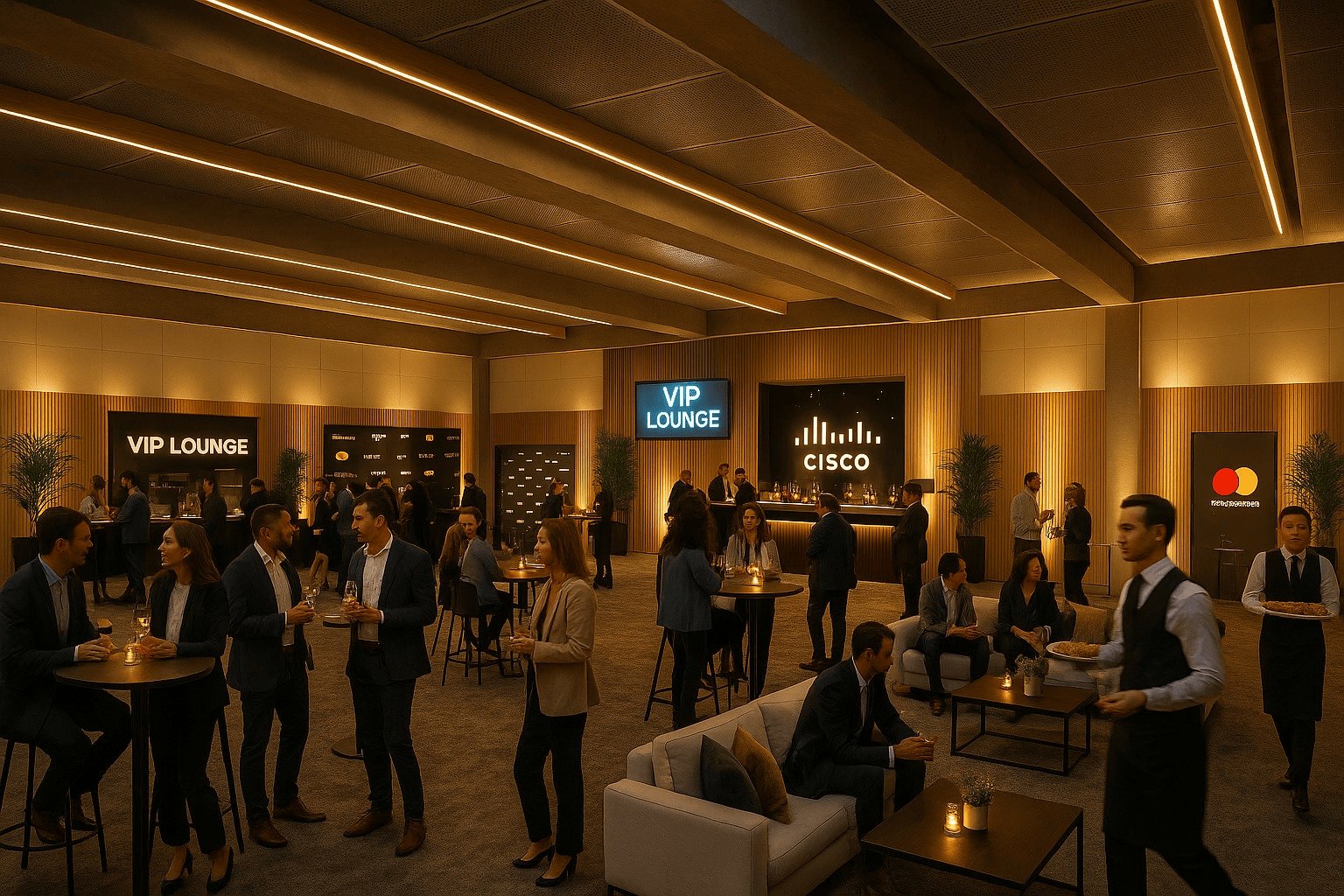
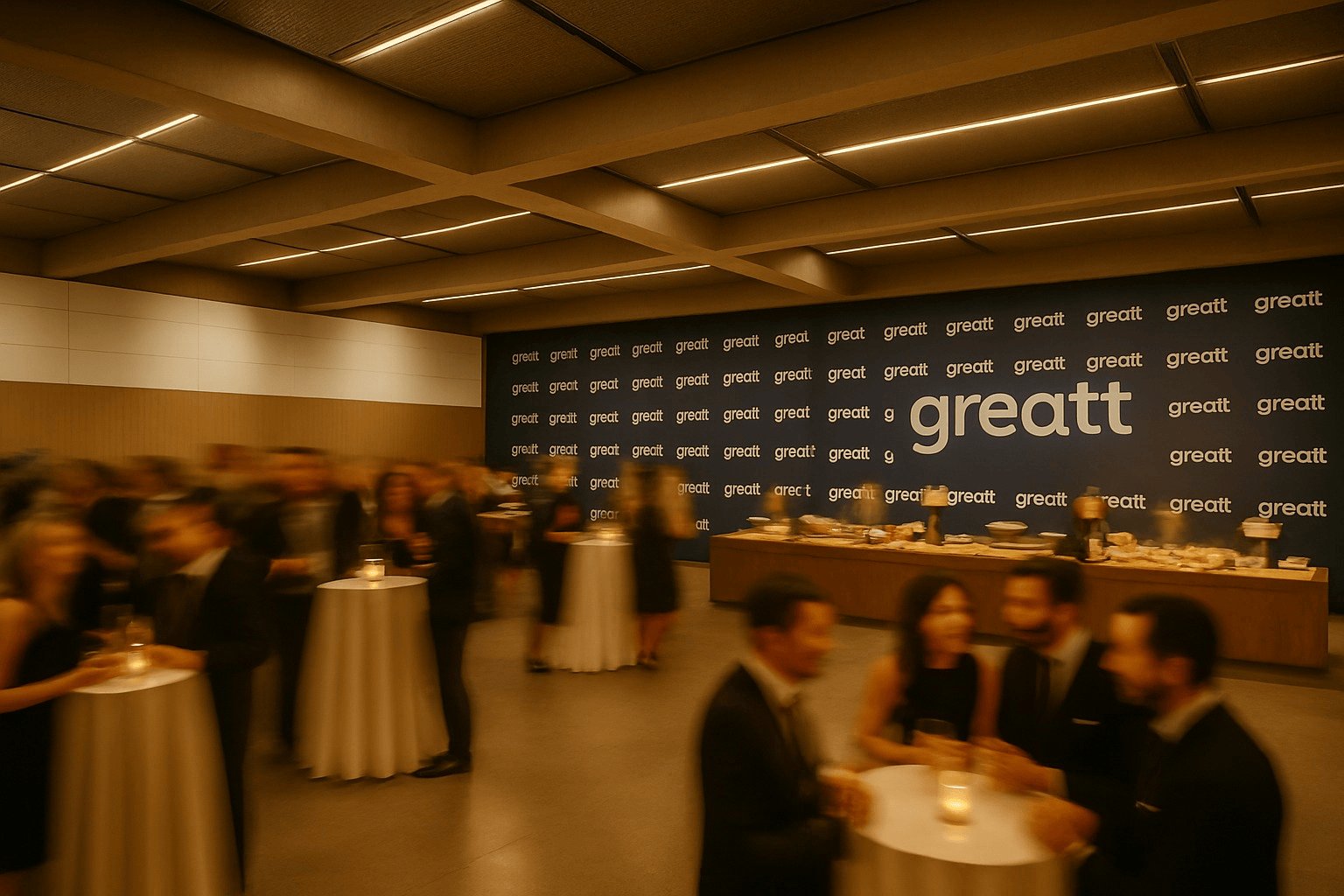
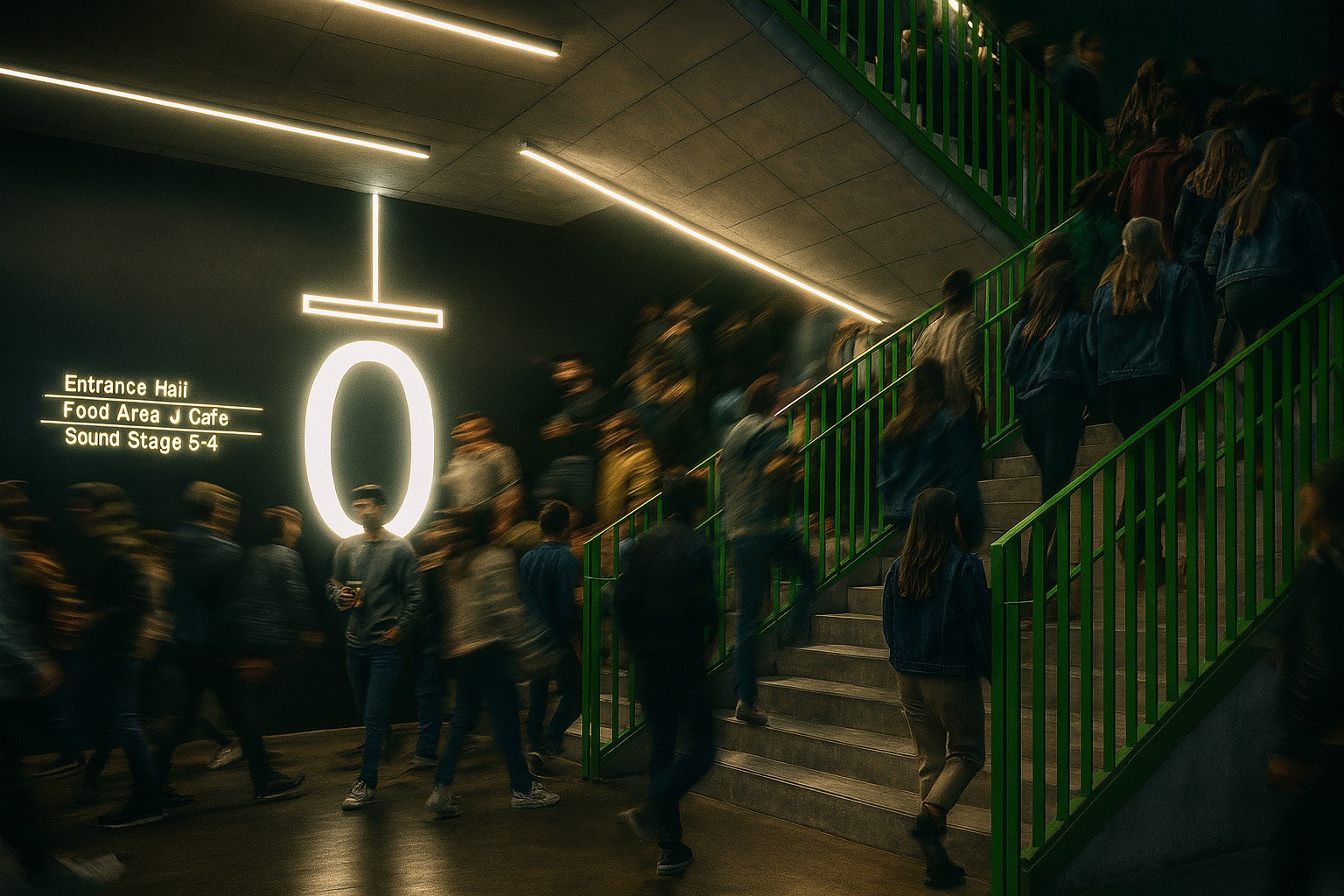
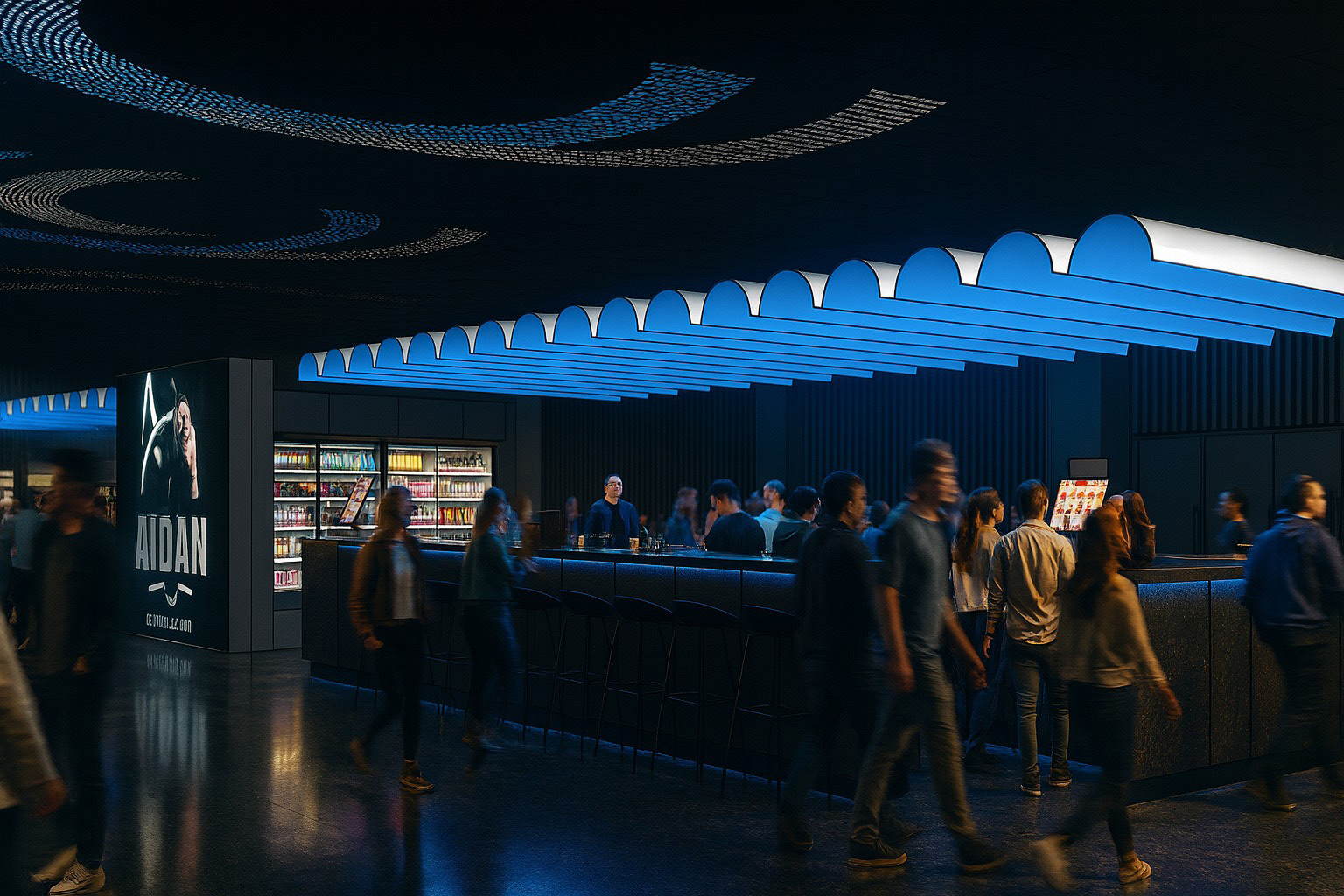
thirteen evenings shown here. the building's calendar will hold three hundred and sixty-five. the difference between a venue and an industry is what happens on the days between the headline events.
A complete creative infrastructure: sound stages, recording studios, post-production suites, rehearsal rooms, production offices, fabrication workshops, logistics, hospitality, parking, and public realm — held together as one Entertainment City.
 ii.
ii.
Purpose-built sound stages and recording studios. The productive interior of the city, working between events.
detail →Editing, mixing, colour, finishing. The rooms where the work made on stage becomes the work that travels.
detail →
iv.
Prop-making, fabrication, storage, logistics, technical infrastructure. The engine the audience never sees.
detail →Working space for resident agencies, production companies, and creative teams. The city's daily population.
detail →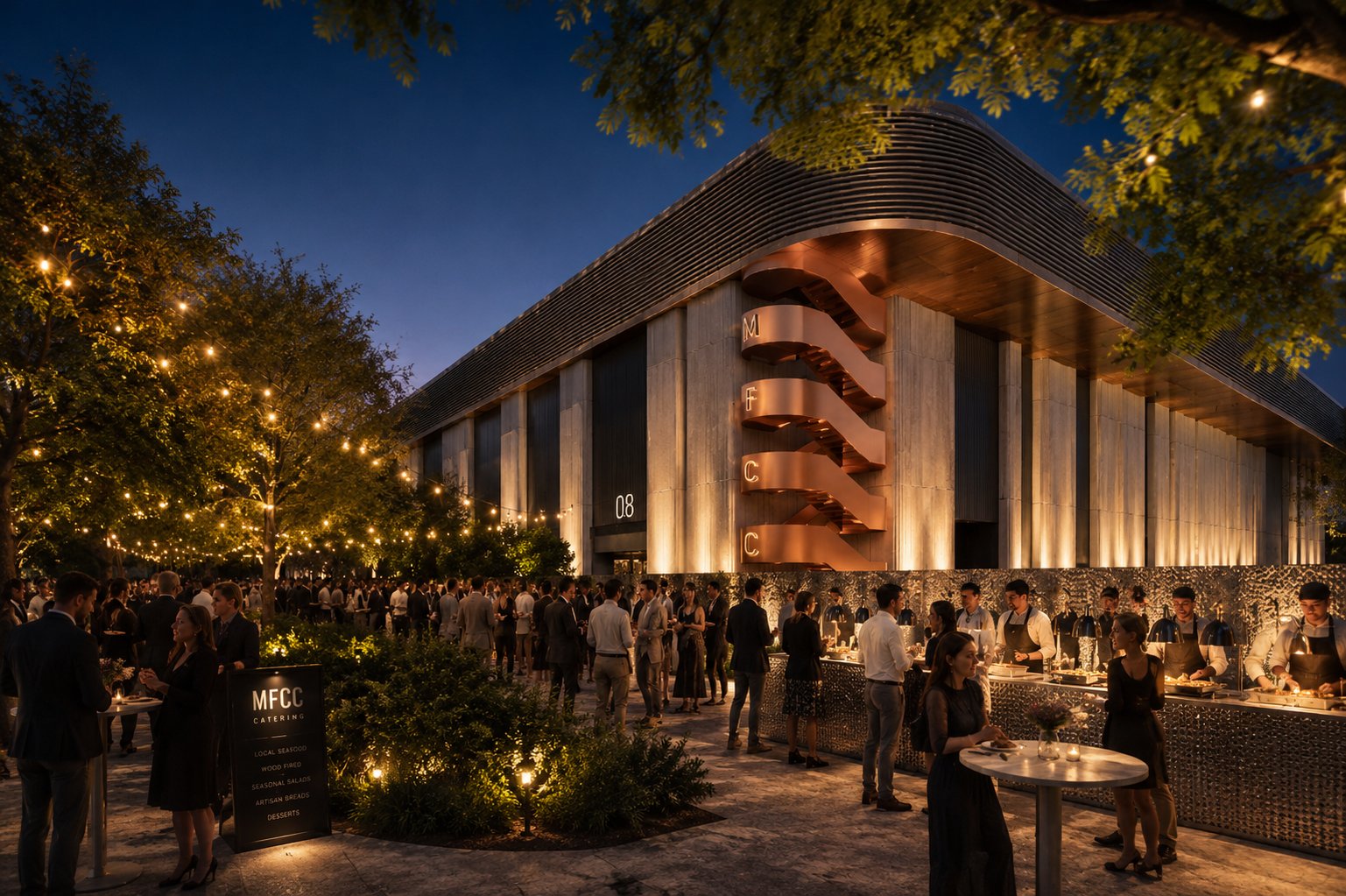 vi.
vi.
Restaurants, leisure, public spaces, parking. The district that stays open before the doors and after the lights.
detail →A five-minute film moving through the new MFCC — from the arrival concourse, past the soundstages, through the production halls, into the headline arena. The site, the spaces, and the lives held within them.
From stage to screen. From idea to audience. On any given day, six kinds of work share the ground. The site is busy because the calendar is layered, not because the headline event arrived.
writers' rooms, development meetings, agency briefs. the first work of any production, before the lights are on.
rehearsal rooms, workshop tables, read-throughs, prototype sessions. the work that prepares the work.
the sound stages, the arena floor, the recording studios. cameras rolling, instruments playing, crews working at scale.
cutting rooms, sound mix, grading suites, finishing. the part of a production the audience never sees but always notices.
the arena's headline night. the cinema premiere. the streamed launch. the work meets its audience.
broadcasts, festivals, distribution, archive. the work leaves malta and returns to it as economic gravity.
the difference between a venue and a city. also, quietly, the difference between an event economy and an industry.
The key buildings of the Entertainment City, set out by level. Three discrete schedules: the production building, the main soundstages, and the secondary soundstage cluster. Areas in square metres, gross internal.
The numbers behind the narrative — where the work is made, where the audiences pass through, and where the city earns its hours.
Offices, multipurpose hall, workshop, and a soundstage mezzanine. The administrative and rehearsal heart of the city.
Four soundstages on one level, anchored by a major stage at five thousand square metres. The international-scale production volume.
Four soundstages at uniform scale, paired with two multipurpose spaces and a major public piazza. The flexible volume for music, television, and trade.
All areas are indicative and gross internal where not otherwise noted. The schedule is subject to detailed design and statutory approval. Building names and grouping shown here for narrative clarity — final nomenclature to be confirmed with the client team.